
Please Be Careful
A roof may look accessible from the ground, but working on it exposes a homeowner to serious fall, electrical, weather, tool, and structural hazards. Professionals plan roof access, inspect equipment, use fall-protection systems, and train for conditions that change from one property to another. A ladder and a pair of work boots do not provide the same protection.
For most homeowners, the safest choice is to inspect from the ground and call a qualified roofing professional. This recommendation becomes even more important for older adults, anyone with limited mobility or balance, people taking medications that may cause dizziness, and homeowners who lack properly selected equipment and training.
Understand Why Roof Work Is Different
Roof pitch changes how easily a person can stand, stop, and move. Shingles may be slick from dust, pollen, algae, morning dew, heat, frost, or light moisture that is difficult to see. Loose granules can behave like small ball bearings underfoot. Metal roofs may become extremely slippery, and brittle or damaged roofing can break or shift.
The roof edge is not the only hazard. Skylights may not support body weight. Weak decking can be hidden beneath finished roofing. Overhead service lines may be close to ladders or tools. Wind can affect balance and lift materials unexpectedly. Heat reflected from roofing can contribute to dehydration, fatigue, and impaired judgment.
Know When Not to Go Up
Do not access a roof when:
- The surface is wet, icy, frosted, or covered with leaves or debris.
- Rain, lightning, strong wind, or rapidly changing weather is possible.
- The roof is steep, unusually high, or difficult to reach.
- Roofing is loose, storm-damaged, burned, sagging, or visibly unstable.
- You would need to step near a skylight, open edge, or electrical service.
- You do not have a correctly rated ladder and appropriate fall protection.
- You have balance, vision, mobility, strength, heart, or respiratory limitations.
- Medication, alcohol, fatigue, heat, or illness could affect coordination.
- You are alone.
If any of these conditions apply, keep both feet on the ground and call a professional.
Special Guidance for Older Homeowners
Age alone does not determine ability, but the consequences of a fall can become more severe with age. Changes in balance, reaction time, vision, joint mobility, bone strength, and medication response may not be obvious until a person is already in a dangerous position.
Older homeowners should not climb onto a roof to save the cost of an inspection or minor repair. The risk is disproportionate to the potential savings. Use binoculars, a zoom camera, ground-level observation, or a professional inspection instead. Family members should avoid encouraging an older relative to “just take a quick look,” especially after a storm when surfaces and structures may be compromised.
Ladder Safety Starts Before Climbing
Even when the task does not require stepping onto the roof, ladder use requires planning. Use only a ladder of the correct type, duty rating, and length. Inspect rails, rungs, locks, feet, rope, and hardware before use. Do not use a bent, damaged, improvised, or repaired ladder.
Place the ladder on firm, level ground away from doors, traffic, mud, loose gravel, standing water, and electrical hazards. Follow the manufacturer’s setup instructions, including the proper angle for an extension ladder. The ladder should extend sufficiently above the landing surface when it is being used for access, and it must be secured against movement.
Maintain three points of contact while climbing. Face the ladder, keep your body between the rails, and never carry bulky tools or materials in your hands. Do not stand on prohibited upper rungs, overreach, move the ladder while occupied, or allow another person to hold an unsafe setup as a substitute for proper positioning and securing.
Fall Protection Requires More Than Owning a Harness
A personal fall-arrest system includes more than a harness. It depends on compatible equipment, a properly selected and installed anchor, correct connections, adequate clearance, equipment inspection, and training. An incorrectly placed anchor can fail or damage the structure. A system with insufficient clearance may not prevent impact with the ground or a lower surface.
Suspension after a fall is itself an emergency. Rescue planning is essential because a hanging worker may be unable to climb back onto the roof. Homeowners should never assume that purchasing a harness kit makes roof work safe. If you have not been trained to select, install, inspect, and use the complete system, hire a professional.
Safer Ways to Inspect a Roof
Many common concerns can be investigated without climbing:
- Use binoculars to check shingles, flashing, gutters, and ridge lines.
- Photograph the roof from several ground-level locations with a zoom lens.
- Look through upper-story windows when doing so does not require leaning out.
- Check the attic with a flashlight for stains, damp insulation, or visible daylight.
- Examine ceilings and walls for discoloration, peeling paint, or moisture.
- Inspect gutters and downspouts from the ground for displaced sections or overflow evidence.
- Hire a professional who can document conditions with photographs or aerial equipment.
Drones can provide useful images, but they must be operated legally and safely. They do not replace hands-on evaluation when a professional needs to test materials, flashing, fastening, or substrate condition.
Leave These Jobs to Professionals
Homeowners should not attempt emergency tarping, steep-slope repairs, structural repairs, skylight work, chimney flashing, electrical work near the roof, removal of large limbs, or work on wet or storm-damaged surfaces. Pressure washing a roof is also hazardous and may damage roofing materials.
Small tasks can become dangerous when they require carrying tools up a ladder, transitioning from the ladder to the roof, working near an edge, or reaching beyond a stable position. If the job cannot be completed entirely from a safe ground-level position with the correct tool, call a qualified professional.
If an Emergency Is Happening
If someone falls or becomes suspended in fall-protection equipment, call emergency services immediately. Do not climb onto the roof and create a second victim. If electrical lines are involved, keep everyone away until the utility or emergency responders declare the area safe.
If water is entering the home, protect occupants and belongings from inside only when it is safe. Do not climb onto the roof during a storm. A bucket and a temporarily relocated piece of furniture are preferable to a serious injury.
The Safest Roof Repair Is Often the One You Do Not Attempt
Roofing professionals combine experience, access equipment, fall protection, material knowledge, and job-specific planning. No article can make an unsafe roof safe or replace hands-on training. When access, height, slope, weather, age, health, or equipment creates uncertainty, the correct decision is to stay off the roof.
Contact X3Worx, LLC for a professional roof evaluation so you can understand the problem without putting yourself at unnecessary risk.
Houston, Texas Roofing Contractor
713-555-1212
Get A Free Estimate
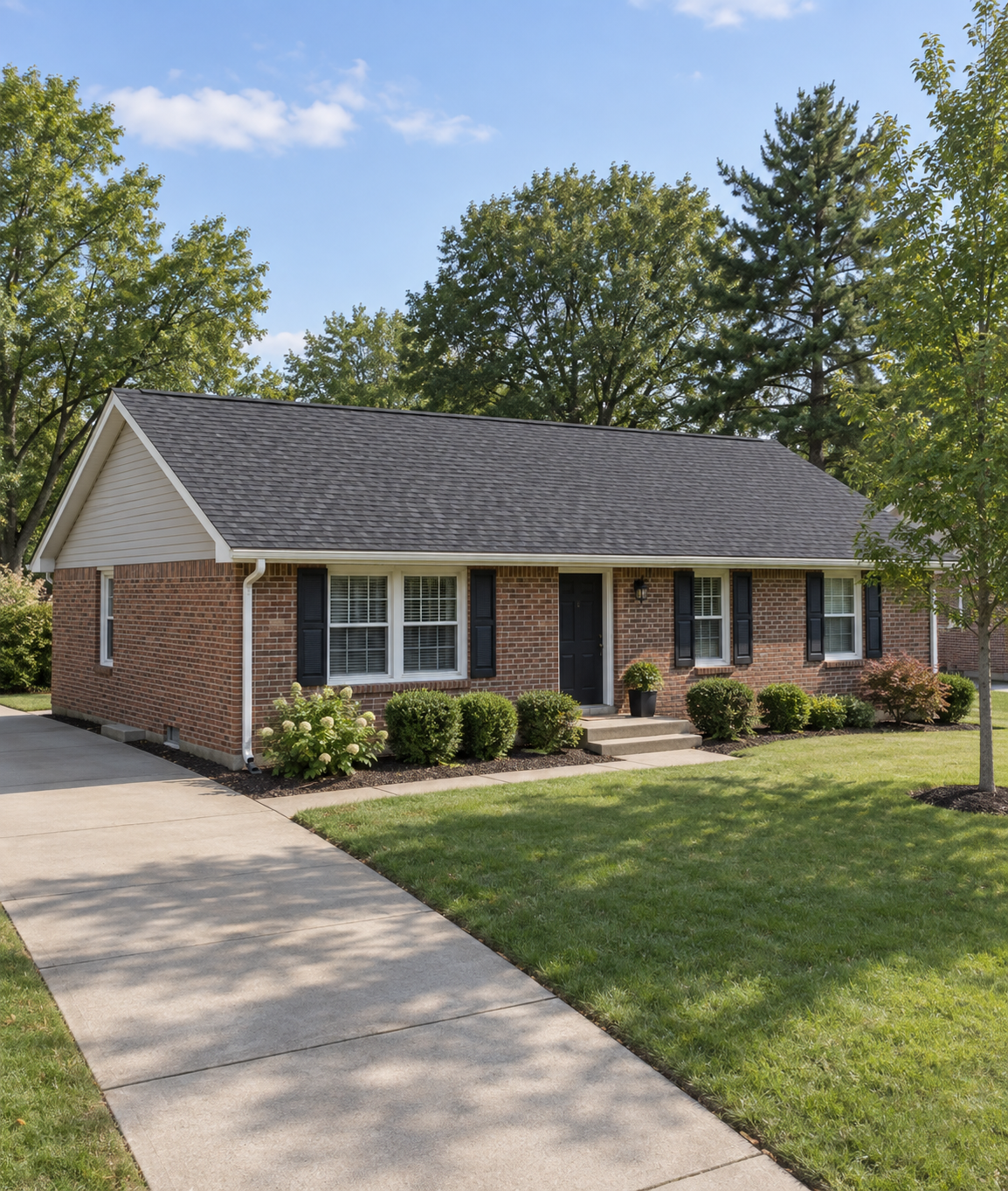
Actual Project in Houston, Texas
Patricia L.
Actual Customer Review
From an Actual Project
★★★★★
“I called X3Worx, LLC after discovering a leak in my kitchen. They quickly found the source, explained the repair clearly, and completed the work without trying to sell us services I didn’t need. The roof has remained completely dry through several heavy storms.”